Is Lacquer Ruining Your Wood Table? The Benefits of Breathable Finishes.
A glossy top can make a solid wood slab dining table look flawless at first. But, lacquer might not be the best choice for long-term durability. Wood is a living material that responds to the air in your home.
A breathable finish is a better option. It supports wood movement while keeping its natural feel. This balance is important for homeowners who want their wood to last for decades.

Performance is also key. Sealed coatings block spills but can turn cloudy with strong cleaners. Heat and humidity changes can cause dullness, affecting the table's value and longevity.
MonoWood Studio believes in keeping wood honest. It uses 100% solid slabs and finishes that respect natural wood movement. This approach protects the wood's value and preserves its natural feel.
Key Takeaways
- Lacquer can look perfect, but it may work against long-term solid wood value preservation on a solid wood slab dining table.
- Natural breathing timber is not static; it moves with seasonal humidity, even when it looks dry and stable.
- A breathable wood oil finish can help manage movement while keeping a more natural surface feel.
- “Clear” finishes can darken wood into a wet-wood look, which affects the raw, light style many homeowners want.
- Sealed films can resist liquids, but chemicals and heat may cause cloudiness or haze, raising preventing degradation concerns.
- MonoWood Studio positions its work around honest slabs and finish systems aimed at protecting investment-grade wood and long-term value preservation.
Why Lacquer Can Work Against Natural Breathing Timber
Lacquer is known for its speed and shine. But wood keeps moving, even when it looks perfect. A dining table faces daily wear, and its finish must allow for natural breathing without being too hard.

Film-building coatings vs. natural respiration and internal stress relief
Lacquer dries fast because it's carried in solvent. This quick drying makes it popular. Yet, it forms a film that sits on top of the wood fibers, not soaking in.
This film can limit the wood's movement. The wood shifts underneath, causing stress. This stress can lead to problems at seams, corners, and detailed edges.
How thick, glossy films can look “unnatural” even when they’re water-white
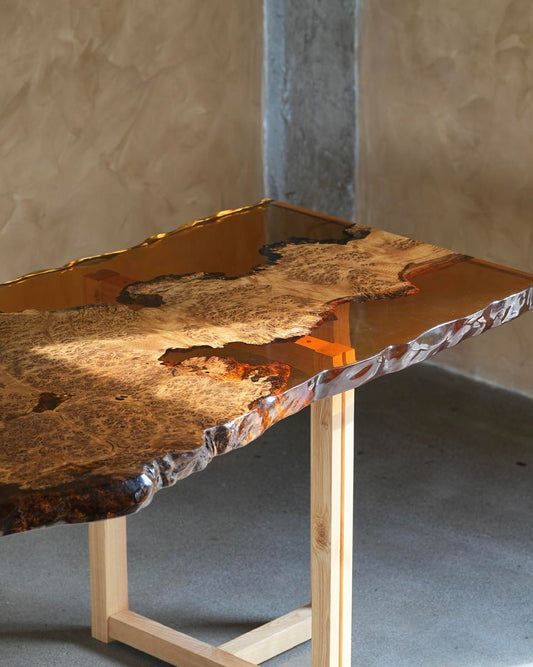
“Water-white” sounds like it should be invisible. But, the build and sheen can change how the grain looks. A heavy, glossy layer can make the wood look unnatural because reflections sit above the texture.
Even if the color stays clean, a smooth, high-gloss finish can make real timber look like a coated panel. It doesn't show the wood's natural texture.
Common risks: brittle surfaces, cloudiness from strong chemicals, and heat-related haze
Over time, some lacquered tops can become brittle, more so at edges. Busy homes can also make the finish cloudy with strong cleaners. This leaves dull patches that are hard to fix.
Heat is another problem. Warm air from vents, radiators, or hot dishes can soften the film. This leaves a hazy cast that reduces clarity.
Environmental adaptation: how humidity swings can stress joints, panels, and grain lines over time
Seasonal humidity changes the wood's moisture level. This causes it to expand and contract. Without good adaptation, stress builds up at joints, panels, and grain lines. This can lead to tiny splits, sticking drawers, or loose hardware.
A simple test can show what's on the table: place a water drop in a hidden spot. Beading means a sealed film; absorption points to oil-finished or more open wood.
For high-quality slabs, the finish choice affects repair options, everyday look, and long-term integrity. It's not just about how it looks at first.
Solid wood slab dining table, Breathable wood oil, Solid wood value preservation
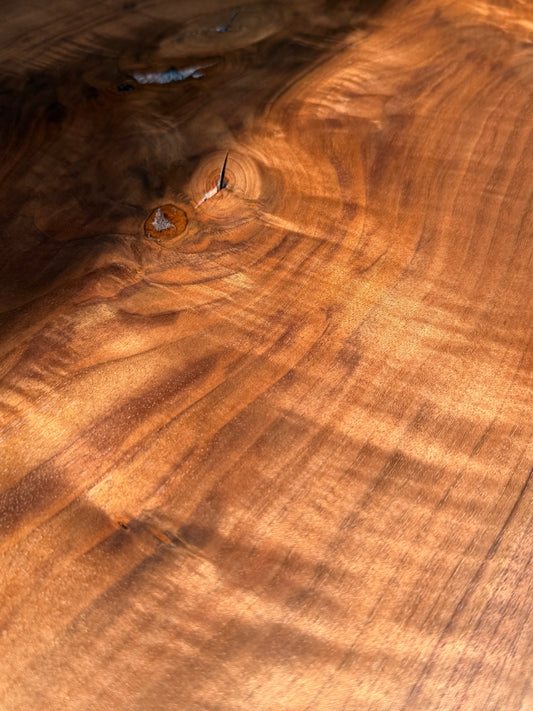
A solid wood slab dining table is special in small ways. Light highlights the grain, and the surface feels great under your hand. It also lasts through many meals.
A breathable wood oil protects this beauty without sealing it. This method keeps the wood alive for a long time.

What “breathable” means in practice: open-pore wood treatment that supports natural elasticity
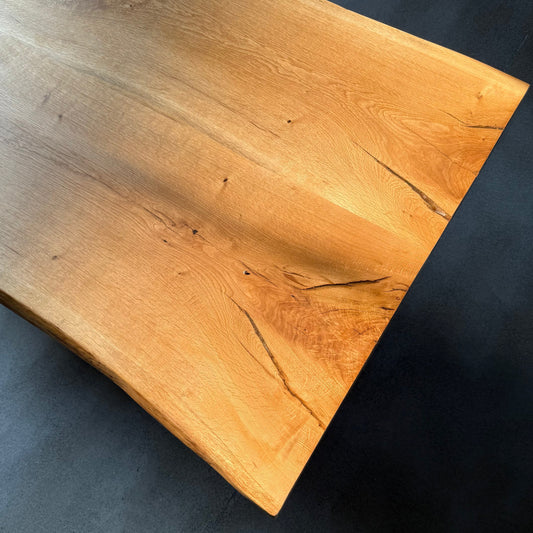
“Breathable” means the finish absorbs and leaves pores open. This lets the wood move with the seasons. It looks like real wood, not shiny plastic.
How breathable finishes support anti-cracking stabilization and preventing degradation in daily use
Daily life can be tough on wood. A glass can sweat, a box can get warm, and spills can linger. Oil-finished wood absorbs moisture, but it's okay if done right.
This care keeps the wood from cracking. It also makes the surface smooth and less likely to show wear. This way, the table stays strong without feeling like plastic.
Balancing protection and raw texture protection for preserving wood soul (without plastic-looking build)
The goal is to keep the wood feeling like wood. We want to protect it from dirt and water without losing its natural look. Thin coats and careful application are key.
- Touch: a dry, grippy feel instead of a slick gloss.
- Look: warm depth with visible pores, not a flat “sheet” on top.
- Repair: spot refreshes that blend in after a light clean and re-oil.
Where rub-in oils and oil-varnish blends fit: natural look, easier renewal, but different durability limits
Rub-in oils like tung oil and linseed oil are applied and wiped back. They cure over time and look calm. They're easy to renew but might not last on busy tables.
Oil-varnish blends offer more strength and durability. They're easy to apply but might not be what they seem. For a dining table, they offer a natural look but have durability limits.
MonoWood Studio’s Approach to Heirloom Timber Tables and Long-Term Integrity
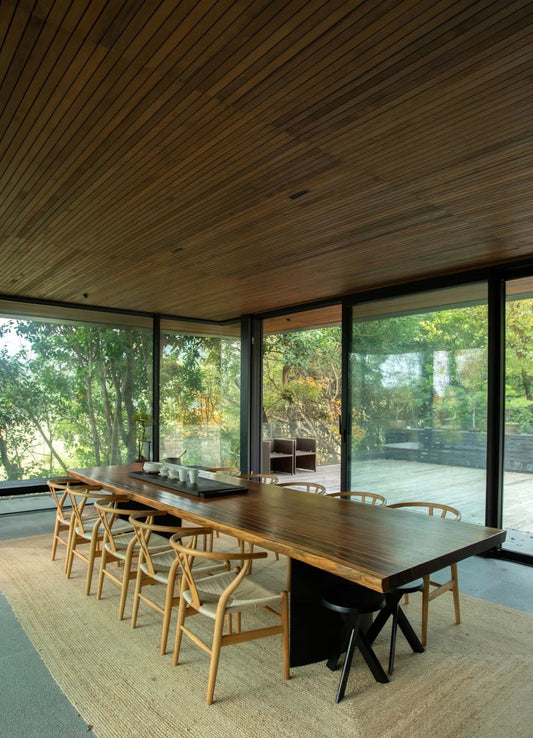
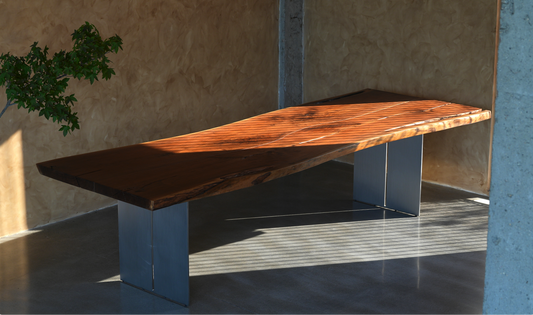
MonoWood Studio focuses on homes that want real wood, not just a glassy look. They use 100% solid wood, with honest grain, and promise one tree one table. Each slab is treated as a living material that reacts to air and season changes.
Humidity swings can affect panels, joints, and grain. This movement is normal. But, the wrong surface build can trap stress. For heirloom timber tables, the goal is steady performance that protects long-term structural integrity without chasing a showroom mirror.
monowood studio master-craftsmanship shows up in restraint as much as shine. Thick film coats can look smooth but feel plastic-like on a slab. The monowood studio process focuses on open-pore work so the surface feels like wood, while the structure keeps doing what wood does.
This approach starts with material readiness for investment-grade wood slabs. MonoWood Studio uses kiln-dried precision, targeting 8% moisture content. This makes the core calmer before the finish goes on. It helps create stabilized timber that stays more predictable from shop to dining room.
For clients in the United States, global shipping stability matters as much as aesthetics. Controlled drying and careful packing reduce swelling when a table moves across climates. It’s a practical layer of protection for investment-grade wood slabs, not a marketing flourish.
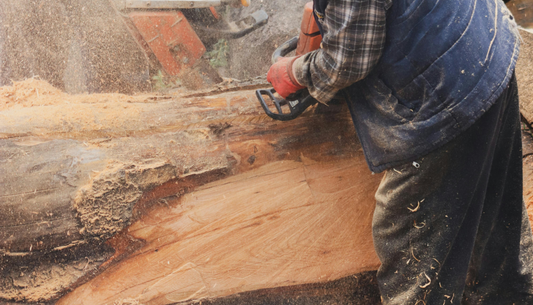
Aging also plays a role in how a table behaves year after year. MonoWood Studio selects aged solid wood slabs that have rested for six to eight years. This allows tension to settle. The result is a surface meant for generations of use, where finish choices and upkeep match real life and expected wear.
- one tree one table transparency from slab selection through build
- stabilized timber targets, including 8% moisture content, for steadier performance
- open-pore finishing intent that supports long-term structural integrity
Care and Maintenance That Protects Investment-Grade Wood (Without Suffocating Lacquer)
Keeping investment-grade wood in top shape is easy. Start by dusting with a soft microfiber cloth and wiping in the grain direction. For crumbs in joints or checks, use a vacuum with a soft brush attachment.
Avoid using abrasive pads and Magic Erasers. They can thin the finish and make it wear out faster.
For regular cleaning, mix warm water with a few drops of mild dish soap. Wring the cloth until it's just damp. Then, wipe gently and dry immediately with a second cloth to avoid swelling and stains.
If grime feels oily, mix 1/2 cup white vinegar with 1 cup water and 1 drop mild dish soap. Wipe and dry fully. For disinfecting, use 70% isopropyl alcohol mixed 1:1 with water. Spray it onto a cloth, not the wood, to prevent dulling and cloudiness.
Using placemats, coasters, and heat pads daily helps keep the wood in good shape. Clean spills right away to prevent moisture from soaking in. Keep the humidity between 40% and 55% to prevent seasonal movement that can stress the wood.
Place the table away from radiators and HVAC vents. Rotate your décor to avoid uneven sun fade.
Set a conditioning oil schedule to follow. Dust and wipe high-use areas weekly. Monthly, check for dry patches, rough feel, or spots where water stops beading. Then, buff with microfiber and apply a light coat of conditioning oil if needed.
Many oiled surfaces need a refresh every 6–12 months. Wax may need to be reapplied every 6–18 months, depending on use. For a move or remodel, choose climate-controlled storage. Wrap the wood in breathable moving blankets, not plastic, to keep moisture out and the wood stable.